
The psychology of risk-taking
The psychology behind risk-taking is a fascinating area of study, especially regarding casinos. For many individuals, the allure of risking their money is tied to a complex mix of thrill and anticipation. This emotional rollercoaster creates a rush that is often hard to replicate in everyday life. Interestingly, some players find that engaging with an online casino australia further amplifies this sense of excitement, as they can enjoy the experience from the comfort of their homes. The brain releases dopamine, a neurotransmitter associated with pleasure, when individuals engage in risky activities. This chemical reaction reinforces the behavior, making people more likely to seek out similar experiences in the future. The thrill of taking risks can become addictive, drawing individuals back to the casino environment time and time again.
Moreover, the concept of risk is inherently tied to the idea of reward. People are naturally drawn to the prospect of winning big, even if the odds are stacked against them. This paradox of risk and reward fuels the casino environment, creating an atmosphere that encourages patrons to embrace uncertainty. The enhanced adrenaline rush, coupled with the potential for substantial financial gain, makes gamifying risk particularly appealing. Casinos leverage this psychology by designing games and experiences that not only entertain but also challenge players’ perceptions of risk, enticing them to place their bets and engage with the games.
Another important aspect of risk-taking psychology is the illusion of control. Gamblers often believe they can influence outcomes through skill or strategy, even in games governed primarily by chance. This belief can lead to what’s known as “gambler’s fallacy,” where participants think that past results will influence future outcomes. For example, someone might believe that after a series of losses, they are due for a win. This misconception propels gamblers to continue playing, perpetuating their attraction to the casino experience, as they chase the elusive idea of winning against the odds.
The sensory experience of casinos
The casino environment is meticulously designed to captivate visitors through sensory stimulation. The sights, sounds, and even the scents within a casino work in harmony to create an exhilarating atmosphere. Bright lights flash from slot machines, and the sound of clinking coins and cheers from winners combine to produce an auditory tapestry that heightens excitement. Such a carefully curated sensory environment serves to immerse players in the action, making it difficult to leave once they enter. This sensory overload is an essential part of the casino’s strategy, as it encourages visitors to stay longer and engage more deeply with the games.
Furthermore, casinos often employ specific scents to foster a sense of comfort and familiarity among patrons. For instance, some establishments use scents like cinnamon or vanilla, which are known to evoke feelings of happiness and pleasure. This psychological tactic can reinforce customers’ desire to stay longer, increasing the likelihood of further spending. The overall sensory overload can heighten the thrill of gambling, making the experience unforgettable and drawing players back for more. The use of scent marketing has become a subtle yet powerful tool that casinos utilize to enhance the overall atmosphere.
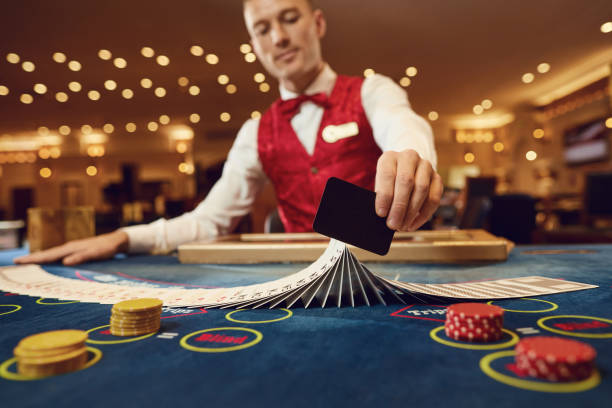
The layout of a casino itself plays a critical role in attracting visitors. With strategically placed gaming tables, slots, and bars, casinos create a maze-like environment that encourages exploration. This design keeps players engaged and wandering deeper into the venue, often leading them to discover new games or promotions that they might not have initially considered. The combination of captivating aesthetics, enticing sounds, and alluring scents is a powerful tool in the casino’s strategy to maintain customer interest. This immersive environment is designed not only for attraction but also to maximize the time spent within the casino walls.
The social aspect of gambling
Gambling is not solely an individual pursuit; it is also a social activity that fosters connections among players. Many people are drawn to casinos because they provide a unique setting for social interaction. Whether it’s celebrating a win with friends or engaging in friendly banter with fellow gamers, casinos offer an environment where camaraderie can flourish. This social aspect enhances the overall experience, making it more memorable and encouraging patrons to return. The shared experience of gambling can forge bonds between strangers, creating a sense of community that enhances the appeal of these venues.
Additionally, casinos often host events, tournaments, and promotions that encourage group participation. These gatherings turn gambling into a community experience, where participants can bond over shared interests and experiences. The thrill of risk becomes heightened in a group setting, as players cheer each other on and share in both victories and defeats. This sense of belonging not only enhances the personal aspect of gambling but can also lead to repeat visits as individuals seek to relive those moments. The social environment amplifies the enjoyment of gaming, making it a shared adventure rather than a solitary endeavor.
Moreover, the allure of meeting new people can add another layer to the attraction of casinos. Many patrons enjoy the opportunity to engage with a diverse crowd, forging connections with individuals they might not encounter in their everyday lives. The interactions that occur at gaming tables or in lounge areas can lead to lasting friendships or even romances, further enhancing the appeal of the casino experience. The combination of gambling and socializing makes for a potent cocktail, driving many to seek out these vibrant environments time and again. This social dynamic is a key part of what keeps patrons coming back to the casino scene.
The role of technology in modern casinos
Technology has transformed the casino landscape in recent years, making it more accessible and enticing. With the rise of online casinos, players can now experience the thrill of risk from the comfort of their homes. This shift has broadened the audience for gambling, allowing individuals to engage with their favorite games on a 24/7 basis. As technology continues to evolve, many traditional casinos are also incorporating digital innovations, enhancing the overall customer experience. This integration of technology not only caters to modern preferences but also ensures that casinos remain competitive in an ever-changing landscape.

One notable advancement is the use of virtual reality (VR) in gaming. VR technology allows players to immerse themselves in a virtual casino environment, complete with realistic graphics and sounds. This innovation creates an unprecedented level of engagement, making players feel as if they are physically present in a casino. The allure of risk is magnified with such immersive experiences, drawing a new generation of players who seek the excitement of gambling without geographical constraints. This technological leap showcases how casinos are adapting to meet the demands of a digitally savvy audience.
Additionally, advancements in mobile gaming have made it easier than ever for individuals to gamble on the go. With mobile apps offering a wide range of casino games, players can access their favorite activities wherever they are. This convenience contributes to the attraction of casinos, as individuals can fit gambling into their lifestyle seamlessly. The integration of technology serves to enhance the allure of risk, creating a dynamic and evolving landscape for both traditional and online casinos. The ability to gamble anytime and anywhere is a game-changer that continues to redefine the gambling experience.
Exploring the future of casino attraction
The future of casino attraction is poised to undergo significant changes as new trends and technologies emerge. As social dynamics shift, operators are likely to adapt their environments to cater to evolving customer preferences. Enhanced personalization will play a key role in this evolution, with casinos leveraging data analytics to offer customized experiences that resonate with individual visitors. Providing tailored promotions and game offerings can create a deeper connection with patrons, making them feel valued and understood. This shift towards personalization is crucial in an industry that thrives on customer loyalty and engagement.
Furthermore, as sustainability becomes an increasingly pressing concern, casinos may embrace eco-friendly practices to attract socially conscious customers. Green initiatives, such as energy-efficient lighting and sustainable materials, could enhance the reputation of casinos and resonate with a demographic that prioritizes environmental responsibility. By aligning their values with those of their customers, casinos can create a compelling narrative that draws patrons seeking both entertainment and social responsibility. This movement towards sustainability reflects a broader trend in consumer behavior, where environmental consciousness plays a significant role in decision-making.
Finally, the integration of community-centered events and entertainment options will likely shape the future landscape of casino attraction. By diversifying their offerings beyond gaming, casinos can establish themselves as entertainment hubs that foster community engagement. Hosting concerts, comedy nights, and cultural events can draw in new audiences and create a vibrant atmosphere that appeals to a broader demographic. This approach will enhance the allure of risk while enriching the overall casino experience. The evolution of casinos into multifaceted entertainment venues signifies a promising future for both operators and patrons alike.